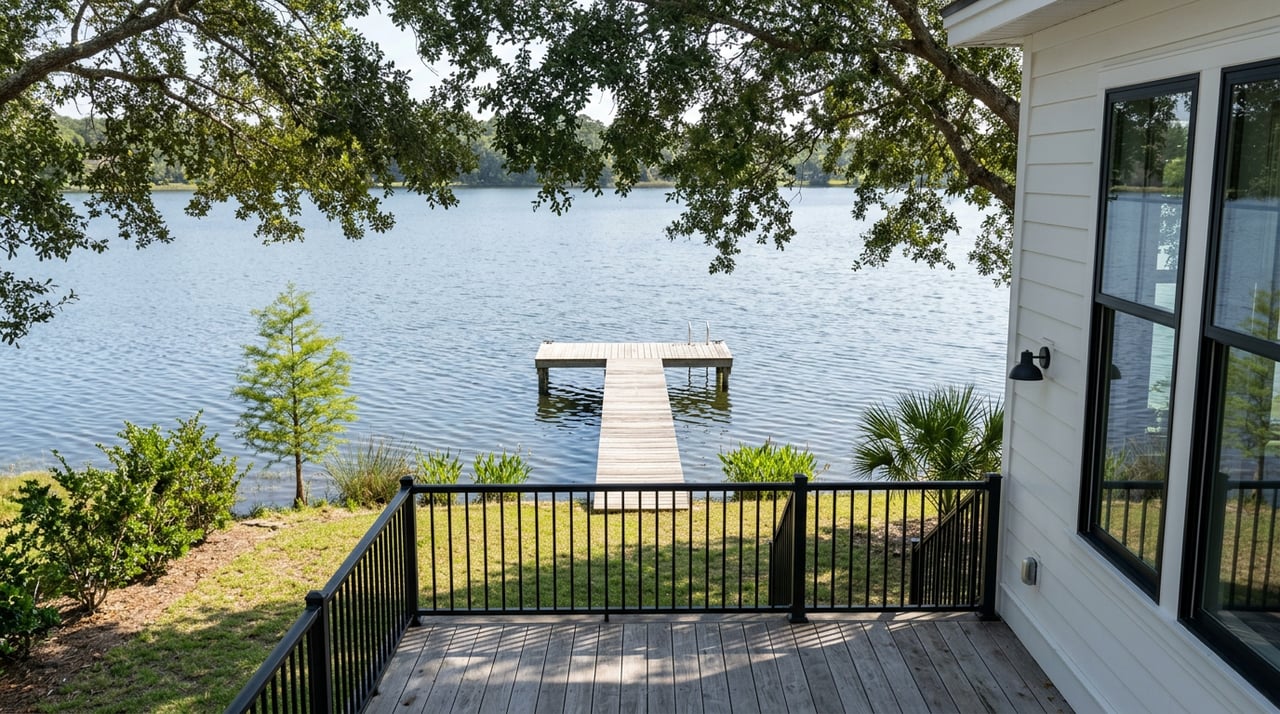
Guide to Buying Boiling Spring Lakes Waterfront Homes
March 5, 2026
March 5, 2026
You picture quiet mornings on the water, a porch with lake views, and a kayak waiting by the shoreline. If you are considering a lakefront home in Boiling Spring Lakes, you are not alone. Buyers love the natural setting and relaxed pace here, but lakefront property comes with extra checks. In this guide, you will learn what to verify about lake status, permits, utilities, flood maps, and inspections so you can buy with confidence. Let’s dive in.
Boiling Spring Lakes is a small Brunswick County city known for its many springs and lakes. The community offers city-maintained parks, designated swimming lakes, and a welcoming, outdoorsy lifestyle. If you want a laid-back setting with freshwater recreation, this area delivers. Lakefront homes here pair everyday comfort with a close connection to nature.
Several larger lakes, including the community’s primary boating lake often called Big Lake or Patricia Lake, were impacted by storm events in 2018. The City has an active dam reconstruction and lake restoration program with regular updates and project documents. Timelines can change as work progresses. When you see marketing about expected refill dates, use it as a starting point and confirm the latest status directly with the City.
Temporary conditions can affect what you see at a property today. Some lakefront lots may have lower water levels, exposed shoreline, or new vegetation along the lakebed. The City has shared guidance about lakebed vegetation and habitat as lakes refill. Ask your agent to help you gather the most current City updates so you understand what to expect for future water levels and recreational use.
Lakefront ownership is not one-size-fits-all. What matters is who owns the lakebed and the area below the ordinary high-water line. In some locations the City owns the lakebed, while in others a private owner or community association holds rights. This affects who can authorize docks, shoreline work, or vegetation maintenance.
Before you assume you can add a dock or modify the shoreline, review the recorded deed and plat for your specific parcel. Ask the City for any lakebed or shoreline permit history on file. If the lakebed is city-owned, the City may have specific forms for vegetation maintenance or other activities. Clear ownership and permission will save you time and prevent costly missteps.
Shoreline improvements often require multiple approvals. You may need permission from the lakebed owner, City permits, County approvals, and in many cases federal and state reviews. Common scenarios include:
For repairs or maintenance, certain exemptions may apply. The best approach is to gather any existing permits from the seller, then speak with the City and, if needed, consult the Corps and state agencies early. If you plan to add or rebuild a dock, bulkhead, or boat ramp, build time into your purchase plan for the review process.
Boiling Spring Lakes participates in the National Flood Insurance Program, and FEMA’s current Flood Insurance Rate Maps guide lender requirements. If your parcel falls within a Special Flood Hazard Area and you use a federally backed mortgage, your lender will require flood insurance. Ask your agent to pull the correct FEMA panel for the address and check for any Letters of Map Change that affect the lot.
Consider ordering an elevation certificate so you can compare the home’s elevation to the base flood elevation. This helps you estimate insurance needs and evaluate future risk. If a prior owner pursued a Letter of Map Amendment or Revision, request that documentation as part of your due diligence.
Water and sewer availability varies by neighborhood. Some areas connect to County utilities, while others rely on on-site septic. The City directs customers to Brunswick County Utilities for system status, and the City posts maps for targeted sanitary assessment zones in select areas. Because many lots historically used septic, you should verify whether a property has sewer service or if an on-site system is required.
Brunswick County Environmental Health oversees septic permitting, including traditional and engineered options. For any property with septic, request the permit and any repair records. During due diligence, schedule a septic inspection and, if needed, a soil evaluation to confirm capacity for your household.
Also review the property’s building permit history with the City. On the waterfront, ask for documentation of any shoreline structures and storm-related repairs completed after 2018. A clean record makes a big difference for resale and peace of mind.
Lakefront parcels in Boiling Spring Lakes often have more elbow room than interior lots. Many residential lots in town range from about 0.20 to 0.40 acres, while lakefront parcels commonly trend larger, around 0.5 to 0.9 acres or more. Current MLS data will give you the most accurate snapshot for your target lake and property type.
Home styles vary across mid-century ranches, cottages, custom brick homes, and newer construction. Many lakefront houses feature porches, decks, and, where permitted, docks to make the most of the view. When you tour, pay attention to the shoreline, bulkhead, and dock condition, as well as any signs of past high water.
Common condition items to review include shoreline stability, evidence of erosion, dock safety, septic age and service history, and any mold or moisture issues. A full home inspection plus a shoreline and bulkhead evaluation is smart. For flood-related questions, a survey and elevation certificate can give you clarity before you commit.
Boiling Spring Lakes offers a freshwater lifestyle with city parks, designated swimming lakes, and a community center. Historically, Big Lake has been the primary boating lake, and area materials reference public launches such as Spring Lake. Depending on water levels and local rules, you can expect kayaking, paddleboarding, small-boat recreation, and freshwater fishing.
For fishing, North Carolina’s inland regulations apply for public waters, including size and creel limits. Always confirm local advisories and any lake-specific restrictions. If motorized boating matters to you, verify public ramp locations, wake or no-wake areas, and any engine-size limits in writing before you close.
Some streets and neighborhoods have no HOA, while others have recorded covenants that guide use. Private covenants may limit docks, boat types, parking, or rental use. These rules are parcel-specific, so request all recorded covenants and association documents early in your process.
If you plan to rent your property, review local ordinances and any private restrictions so your plan aligns with what is allowed. Your agent and closing attorney can help you gather the right documents and interpret how they apply to your property.
Use this quick checklist to stay organized:
Confirm lake status. Check the City’s dam reconstruction updates for the latest refill timelines and conditions on your target lake.
Verify ownership and rights. Pull the recorded deed and plat. Ask whether the lakebed is city-owned or private, and request any past shoreline or vegetation permits.
Check utilities. Confirm whether the lot connects to County water/sewer or requires on-site septic. For septic, request permits, repair history, and a current inspection.
Review flood maps. Obtain the current FEMA FIRM panel and ask about any Letters of Map Change. Order an elevation certificate if needed to understand insurance implications.
Plan for shoreline work. If you expect to add or repair a dock, bulkhead, or boat ramp, gather City, County, and any prior federal or state permits. Contact the City first, then coordinate with the US Army Corps of Engineers and the state for 401 certifications when applicable.
Inspect thoroughly. Schedule a full home inspection, plus shoreline and bulkhead evaluations. For older homes, request documentation of post-storm repairs and any contractor warranties.
Confirm recreation access. Verify public boat ramps, lake access points, and any local rules for boating, wake zones, and engine sizes in writing.
Buying lakefront property is different from a typical home purchase. You need clear answers on lake status, shoreline rights, permits, utilities, and flood risk. Our team pairs neighborhood-level guidance with the systems and service of a top coastal brokerage. Whether you are relocating, investing, or searching for a forever home, we help you plan each step with confidence and close smoothly.
Ready to explore lakefront options in Boiling Spring Lakes? Connect with Hank Troscianiec and Associates for local insight, property tours, and a tailored plan for inspections, permits, and due diligence.
We pride ourselves in providing personalized solutions that bring our clients closer to their dream properties and enhance their long-term wealth. Contact us today to find out how we can be of assistance to you!