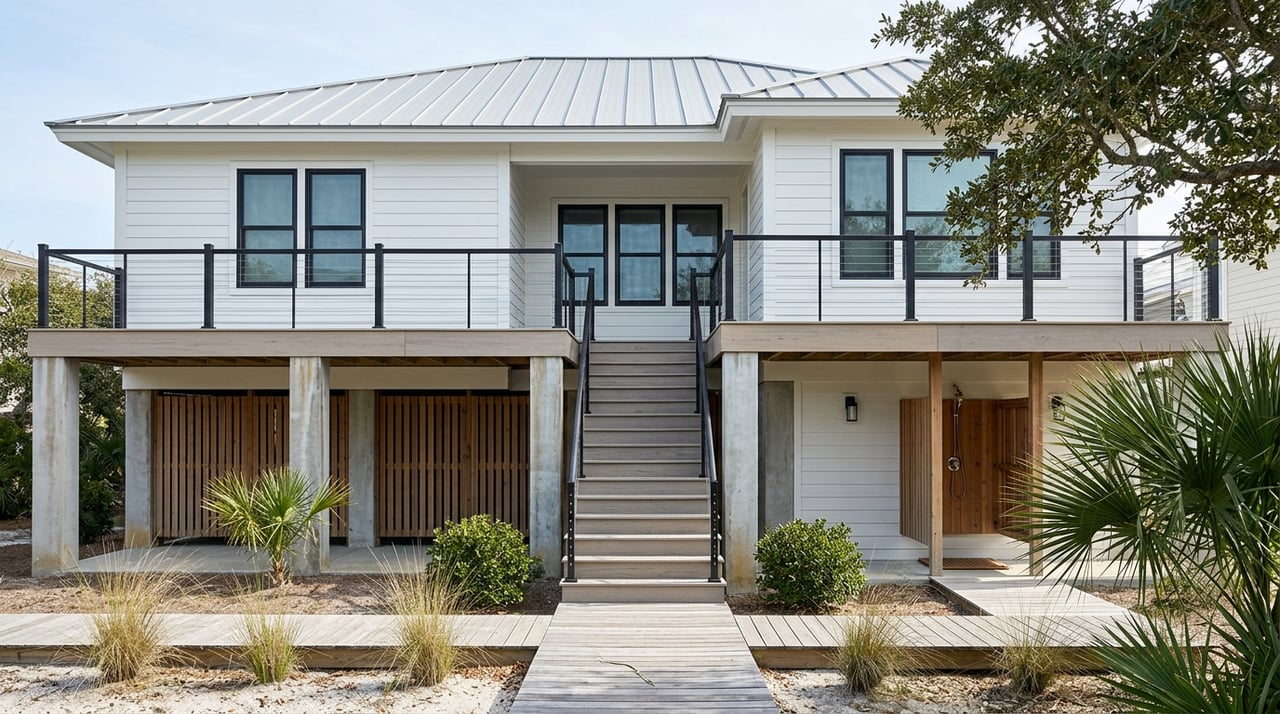
Brunswick Beaches Vacation Rental Basics for Smart Buyers
April 2, 2026
April 2, 2026
Buying a vacation rental in the Brunswick Beaches can look simple at first: find a beach house, list it online, and wait for bookings. In reality, the best purchases usually come from understanding how this coastal market works before you make an offer. If you want a property in Sunset Beach or nearby that fits your goals, this guide will walk you through seasonality, local rules, taxes, storm planning, and management basics. Let’s dive in.
Vacation rental demand in Brunswick County is closely tied to tourism. According to the county’s data book, the peak season population grows to about 2.6 times the year-round population, and travel and tourism generated a $975.11 million economic impact in 2021.
That matters if you are buying for income, personal use, or both. In a market shaped by seasonal travel, your property’s location, access, and operating plan can affect how well it performs during the busiest months and how it holds up during the slower parts of the year.
The broader appeal of the area also helps explain buyer interest. VisitNC describes the Brunswick Islands as six laid-back beaches with golf, fishing, seafood, outdoor recreation, and 45 miles of shoreline, which supports steady demand for second homes and vacation rentals.
In Sunset Beach, the busiest rental window is usually tied to late spring through early fall. One clue is the town’s paid beach parking season, which runs from April 1 through October 31 and is enforced daily from 9 a.m. to 5 p.m.
The town’s beach rules also point to summer demand patterns. Dogs are restricted on the beach from 9 a.m. to 6 p.m. from the Friday before Memorial Day through Labor Day, which shows how guest traffic and beach use change during peak season.
Brunswick County’s climate supports that pattern. The county reports mild, marine-influenced weather, with summer highs in the mid-80s to upper-80s and winter highs in the mid-50s to mid-60s, while also identifying hurricanes and storm surge as the top weather hazard in the area.
In the Brunswick Beaches, guests often care most about convenience and clear expectations. A home near the beach with simple access, easy parking guidance, and straightforward house rules may be easier to operate than a property that sounds exciting online but creates confusion after check-in.
That is especially important in Sunset Beach, where the town has specific rules covering parking, dogs, cabanas, and golf carts or other low-speed vehicles. If you buy a vacation rental, you will want to think about how easily you can explain those rules to guests before they arrive.
A strong property match starts with honest positioning. If the home works best for small groups, beach-focused travelers, pet owners, or guests planning golf and fishing trips, your setup and marketing should reflect that clearly.
Pet-friendly homes can attract attention, but they also require clear communication. Sunset Beach allows dogs on the beach off-season any time on leash, but during summer they are allowed only before 9 a.m. and after 6 p.m., with leash and waste-bag requirements, according to the town’s dog rules page.
If you plan to allow pets, make sure the property can support that choice. You will want durable finishes, a simple cleaning plan, and guest instructions that match the town’s rules exactly.
North Carolina has specific rules for vacation rentals. Under the state’s Vacation Rental Act, a vacation rental is residential property rented for fewer than 90 days to someone who intends to return to a permanent residence, and the rental requires a written agreement.
This matters even more if you are buying a property that already has bookings. The law says purchasers must honor qualifying vacation-rental agreements ending within 180 days after recording, and sellers must disclose existing reservations.
If you are considering an occupied rental, review the reservation calendar and rental documents early. Existing bookings may affect your first months of ownership, your personal use plans, and your transition strategy.
Before you buy, build a realistic ownership budget. In Sunset Beach, the town says short-term rentals are subject to a 6% accommodations tax, due monthly by the 15th of the following month.
The town states that this 6% includes a 3% tourism-related expenditure tax, a 2% beach nourishment and protection tax, and a 1% Brunswick County tourism and travel tax. It also notes that Airbnb and Vrbo collect and remit the tax on behalf of owners in some cases, so you will want to confirm how that applies to your setup.
There may be other ownership costs that buyers overlook. Sunset Beach also notes that furnishings and appliances in a rental are subject to personal property tax, which means a furnished beach house can carry more ongoing cost than a second home that is not equipped for guests.
For coastal buyers, flood risk is not a side issue. Brunswick County recommends checking the flood zone and official map before buying, and notes that VE, Coastal A, AE, and A zones can carry floodplain standards and mandatory flood-insurance purchase requirements. You can review the county guidance on its Know Your Flood Hazard page.
Flood insurance is also separate from most homeowners policies. FEMA information cited by the county notes that flood insurance may come with a 30-day waiting period, so it is smart to understand timing and coverage before closing rather than after.
Hurricane planning matters too. Brunswick County states that Atlantic hurricane season runs from June 1 through November 30, and evacuations may be issued by the county, a municipality, or the governor.
If you plan to rent the home, storm planning should be part of your buying decision. Ask how you would handle guest communication, cancellations, vacancy periods, and property checks if a storm affects the area.
Town rules are only part of the picture. If the property is in a homeowners association or condo community, the governing documents may set separate rules on rental minimums, parking, fees, amenity use, and property operations.
The North Carolina Legislative Library notes that HOAs enforce their own terms and fees, while local ordinances may also apply. That is why buyers should review declarations, restrictions, and current rules before closing, not after.
A property can look great on paper and still be a poor fit for your rental plans if the association limits how you can use it. Always compare the home’s advertised potential with the actual governing documents.
A vacation rental in the Brunswick Beaches is not just a real estate purchase. It is also an operating business with calendars, cleanings, communication, compliance, and weather-related interruptions.
The North Carolina Real Estate Commission explains that vacation-rental properties may be managed by licensed brokers or property owners, and current law imposes reporting and training procedures on vacation-rental property managers. That makes management an important part of your decision from the start.
For some owners, self-management works well. For others, especially part-time or out-of-area owners, professional support may be the better fit.
Professional management can help with:
That support can be especially useful in a market with seasonal parking rules, pet restrictions, and hurricane planning needs. If you are buying from out of town, management may be just as important as the property itself.
The North Carolina Real Estate Commission warns about vacation-rental fraud, including fake listings, diverted payments, and property abuse. It recommends verifying identities, keeping payments and communication on reputable channels, and using stronger screening and access-control practices.
If you are buying with rental income in mind, ask early how you will protect the property, manage guest access, and monitor bookings. A good plan can reduce risk and make ownership much smoother.
Before you move forward on a Brunswick Beaches vacation rental, make sure you can answer these questions:
The more clearly you answer those questions, the easier it becomes to spot a property that truly fits your goals.
Buying a vacation rental in Sunset Beach or the greater Brunswick Beaches area can be rewarding, but the right purchase is about more than views and booking potential. You need a property that fits the local rules, your ownership style, and the realities of a coastal market. If you want local guidance on evaluating vacation-rental opportunities, Hank Troscianiec and Associates can help you compare options, navigate the details, and move forward with confidence.
We pride ourselves in providing personalized solutions that bring our clients closer to their dream properties and enhance their long-term wealth. Contact us today to find out how we can be of assistance to you!