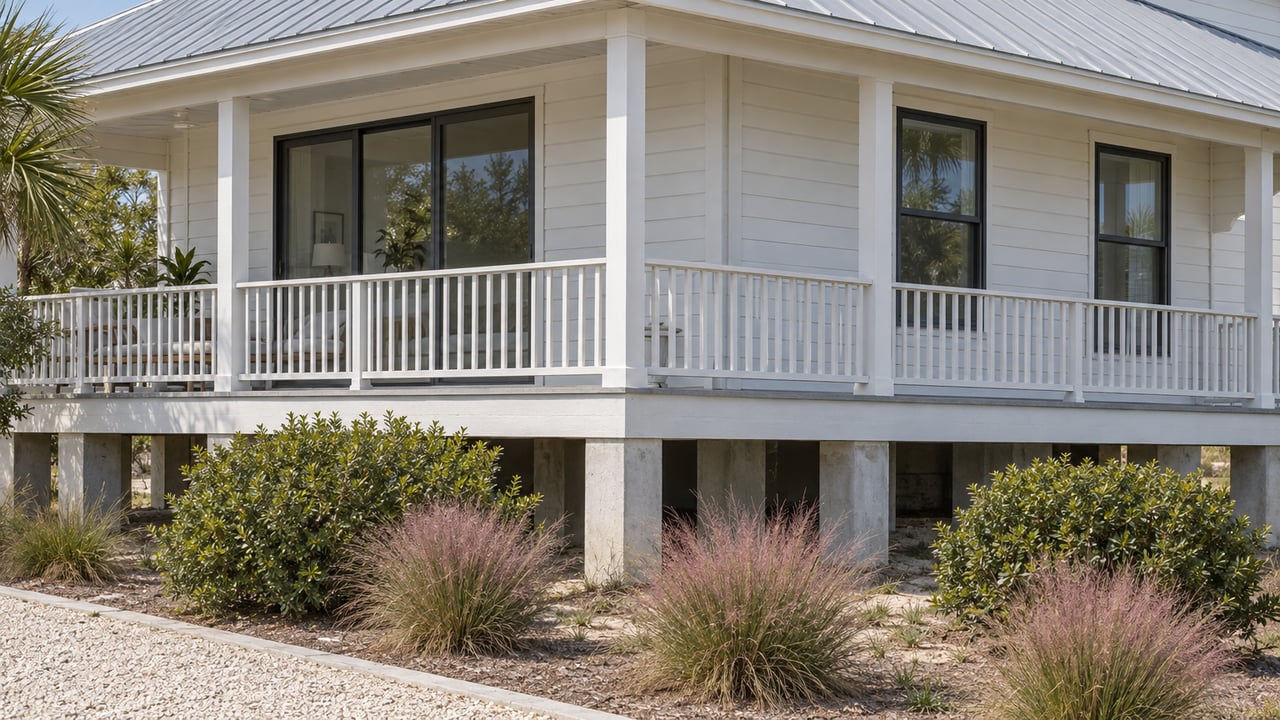
Wilmington's Median Home Price Describes a Neighborhood That Doesn't Exist
October 1, 2026
October 1, 2026
Ask what a home costs in Wilmington right now and the answer depends entirely on which number you happened to see. One source puts the citywide median near $415,000. Another, pulling from Realtors Property Resource data as of April 2026, puts it at $492,500, up roughly 16% year over year. A third shows a three-month median of $479,000 through May 2026. None of these figures is wrong. They're just describing an average of three housing products that have almost nothing in common: walkable historic rowhouses, a shopping-adjacent suburban corridor, and a gated golf and waterfront community with its own internal price ladder. Blend those together and you get a number that fits none of them.
The gap becomes obvious the moment you look neighborhood by neighborhood. As of August 2026, single-family homes in the Historic Downtown carried a median price of $522,500. Mayfaire's single-family median sat at $627,500. Landfall's median reached $1,400,000. The citywide median for the same period was $442,500, sitting below every one of the three neighborhoods most buyers actually picture when they say "Wilmington." The city number isn't an error. It's an average pulled down by everything outside those three high-visibility markets, which means anyone budgeting off the headline figure is anchoring to a number that doesn't describe the places they're likely to tour.
The Historic Downtown is the oldest and most architecturally distinct of the three. Victorian and Craftsman bungalows line streets built for walking, with riverfront dining and shops within reach on foot. It's the smallest of the three price tiers by median, but it's also the least substitutable. There is no newly built equivalent to a hundred-year-old house two blocks from the Cape Fear River, which is part of why its median has held above the city as a whole even without the scale of a master-planned community behind it.
Mayfaire sits in a different category entirely. It's built around the Village at Mayfaire, roughly 31 acres combining a shopping and dining district with homes and condos inside walking distance, along with smaller residential pockets like Parkside at Mayfaire nearby. Buyers here aren't paying for architectural history. They're paying for proximity to a retail and lifestyle hub in the corridor between downtown and Wrightsville Beach, and the median reflects that convenience premium over the historic core.
Landfall is where the single-number comparison breaks down completely. It's easy to treat a $1.4 million median as a single price point, but Landfall is a gated collection of more than twenty sub-communities, each trading on its own curve. There's the Nicklaus side and the Dye side, named for the two golf courses, Jack Nicklaus and Pete Dye, that anchor different sections of the community. There are the Prestwick patio homes on the lower end. There are Horseshoe Island estate lots and marsh-front parcels along the Intracoastal Waterway on the high end. A buyer touring "Landfall" without asking which gate and which section they're actually shopping can walk into anything from a $700,000 patio home to a waterfront estate priced well above $5 million. The neighborhood name is doing almost no work to describe the product.
Here's how the three compare on the numbers available as of August 2026:
| Submarket | Reported Median (Aug 2026) | What Sets the Price |
|---|---|---|
| Historic Downtown | $522,500 | Age, architecture, walkability, no substitute inventory |
| Mayfaire | $627,500 | Proximity to shopping and dining corridor |
| Landfall (citywide reported median) | $1,400,000 | Golf course side, gate, waterfront or marsh frontage |
| Wilmington, citywide | $442,500 | Blended average across all neighborhoods and price tiers |
The median alone misses something more interesting happening underneath it. Over the three months ending May 2026, Landfall's median sale price was $1.4 million, down 2.6% compared to the same period a year earlier. In that same window, homes in Landfall took an average of 91 days to sell, up from 27 days the year before. Only 34 homes sold that May, barely more than the 32 sold a year prior. The price held roughly flat. The time it took to get there more than tripled.
Compare that to the city as a whole over the identical window: a median of $479,000, up 5.4% year over year, with days on market rising too, from 24 days to 57. The whole market slowed down. But the direction of price movement split. Citywide prices climbed while Landfall's held flat to slightly down. That means the citywide median that gets quoted as evidence of a hot Wilmington market is being pulled upward by activity outside the neighborhood most buyers associate with Wilmington's top tier, while the top tier itself is taking three times as long to close at essentially the same price. A buyer scanning only the headline median would miss that the luxury gated segment is cooling in a way the broader number doesn't show, and would have no way to know that a Landfall listing sitting at 90 days isn't necessarily overpriced. It may just be moving at the pace that segment is moving at.
None of this means the citywide number is useless, only that it works better as a starting point than a budget. Buyers who want newer construction without Landfall's price ladder tend to look south to Riverlights, Wilmington's master-planned community along the river, or north to Ogden, where the recently completed Military Cutoff Extension has shortened the drive to both downtown and Wrightsville Beach and made a previously car-dependent suburb noticeably more connected. Those two areas sit closer to the citywide median than any of the three neighborhoods above it, which is part of why the blended average lands where it does.
There's also a transaction detail that matters regardless of which submarket you're comparing. The contract terms are worth understanding before comparing two neighborhoods that may be operating at very different paces right now.
Comparing Wilmington neighborhoods on median price alone treats three different products as if they were interchangeable versions of the same thing. The Historic Downtown, Mayfaire, and Landfall don't compete for the same buyer, and Landfall doesn't even compete with itself in any single price range. The more useful question isn't "what's the median in this neighborhood," but "which section, which gate, and how long has it actually been sitting." Those are the numbers that tell you what's really happening, and they don't show up in the number everyone quotes first.
If you're trying to figure out which of these submarkets actually fits your budget and timeline, Hank Troscianiec & Associates can walk you through the specific sections, gates, and price tiers that a citywide median will never show you. Schedule a free consultation to start with the numbers that actually apply to your search.
This article is general information, not legal, tax or financial advice. Consult a qualified professional about your situation.

Neighborhood Events
We pride ourselves in providing personalized solutions that bring our clients closer to their dream properties and enhance their long-term wealth. Contact us today to find out how we can be of assistance to you!