
1031 Exchange Strategies for Brunswick County Investors
December 25, 2025
December 25, 2025
Thinking about selling an investment property in Leland and rolling the proceeds into something bigger or better? A 1031 exchange can help you defer federal capital gains and depreciation recapture taxes while you reposition your portfolio. You want a clear path, local insight, and no surprises at closing. In this guide, you’ll learn how 1031 exchanges work, how the 45-day and 180-day rules play out in Brunswick County, and the local issues to watch so your exchange stays on track. Let’s dive in.
A 1031 exchange lets you sell qualifying real property held for investment or business use and reinvest the proceeds in other qualifying real property without immediate federal tax on the gain. The tax is deferred, not forgiven, and the process must follow strict rules under the Internal Revenue Code.
Since 2018, exchanges are limited to real property for real property. That means you can exchange a single-family rental for a multifamily building, a commercial property for another commercial property, or vacant land for an income property. Personal property does not qualify.
To qualify, both the relinquished and replacement properties must be held for investment or productive use in a trade or business. Primary residences do not qualify unless they are first converted to investment use and meet holding and use tests. Always coordinate with your tax advisor on your specific situation.
The IRS sets two critical deadlines. Missing either one can make the exchange taxable.
You have 45 days from the transfer of your relinquished property to identify your replacement property in writing. Your identification must be signed and delivered to your Qualified Intermediary (QI). You can use these IRS identification rules:
You must receive the replacement property within 180 days of the transfer date of the relinquished property, or by your tax return due date for the year of the sale if that comes earlier in limited situations. Extensions are rare and usually tied to officially declared disasters. Plan your timeline carefully.
You cannot receive or control the sale proceeds. A QI holds the funds and facilitates the exchange. If you or a disqualified party touches the money, the exchange becomes a taxable sale. Choose a QI with proven North Carolina experience and strong compliance processes.
Different structures fit different goals and timelines.
This is the most common format. You sell first, your QI holds the funds, you identify within 45 days, and you close on your replacement within 180 days.
You acquire the replacement property first and sell your relinquished property later. An Exchange Accommodation Titleholder (EAT) temporarily holds title to either property during the process. Reverse exchanges are more complex and costly, and they require tight coordination with your QI, lender, and closing attorney.
You use exchange proceeds to improve a replacement property. Improvements must be completed and the improved property received within the 180-day window. This structure is useful when you want a value-add play but it requires careful planning and documentation.
You can take cash out or replace with lower value, but any non-like-kind property or cash you receive is taxable “boot.” Partial exchanges can still be strategic if a full deferral is not your goal.
A successful exchange defers taxes but does not erase them. Understanding a few concepts helps you map your numbers with your CPA.
Cash you receive or mortgage relief you do not replace is generally taxable boot. To fully defer taxes, most investors aim to:
Your basis typically carries over from the relinquished to the replacement property, adjusted for amounts paid and any boot. Depreciation recapture is deferred in a proper exchange and recognized in a future taxable sale. Certain real property may generate unrecaptured Section 1250 gain when eventually recognized.
Section 1031 is a federal provision. North Carolina generally conforms to federal treatment, but you should confirm current state guidance and filing procedures with your tax advisor. Expect normal local recording costs, transfer fees where applicable, and property tax assessments to factor into your economics.
Coastal details can influence your exchange timeline, risk, and returns in Leland and nearby communities.
Many properties sit in FEMA flood zones. Lenders may require National Flood Insurance Program policies or private flood coverage. Secure elevation certificates and insurance quotes early so underwriting does not threaten your 180-day window. Insurance costs also affect your net operating income, so factor them into your cap rate assumptions.
Seasonal and short-term rental demand is real in Brunswick County. If you plan to operate a short-term rental, review current rules with Leland Planning and Inspections and any applicable HOA covenants. Registration, occupancy taxes, or neighborhood restrictions can affect income and valuation.
Your 45-day clock starts at the transfer of your relinquished property. Coordinate early with the Brunswick County Register of Deeds and your closing attorney on recording procedures and fees. Clear title and survey issues up front to avoid last-minute delays.
Understand local property tax assessments and reassessment timing. Changes to assessed value can affect your holding costs and pro formas. Confirm with the Brunswick County Tax Office.
Coastal wetlands, riparian buffers, and building codes can impact development or renovations, which is vital if you pursue an improvement exchange. Get permitting guidance early to keep your project inside the 180-day window.
Use this checklist to keep your exchange on track.
You sell a rental for 500,000 with an adjusted basis of 200,000, so your gain is 300,000. To fully defer taxes, you generally aim to buy equal or greater value and replace equal or greater debt. If you only buy for 450,000 and take 50,000 cash out, that 50,000 is taxable boot in the year of the exchange.
If you want to trade up within Brunswick County, relocate equity to a different asset class, or line up a coastal rental with stronger cash flow, planning early makes all the difference. Our team helps you pinpoint replacement opportunities, coordinate the moving parts with your QI and closing attorney, and account for flood, insurance, and local rules that can impact your timeline. When you are ready, schedule time with Hank Troscianiec and Associates to map your options and timing.
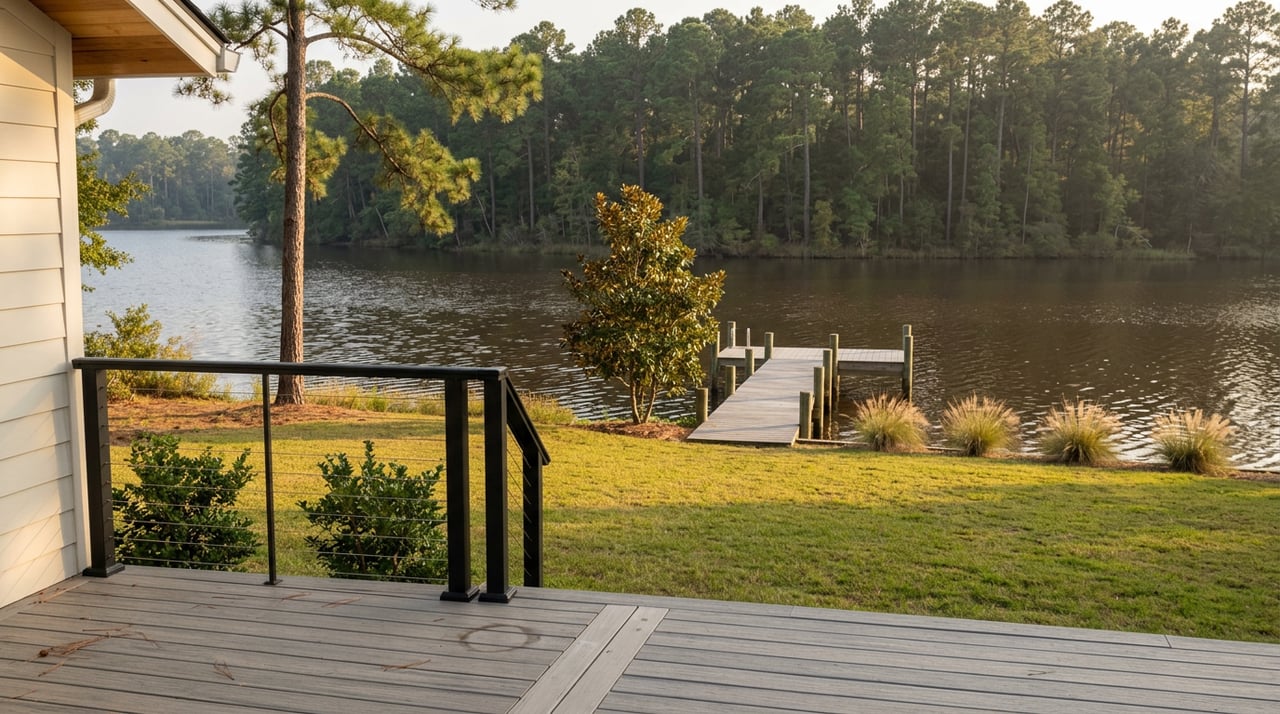





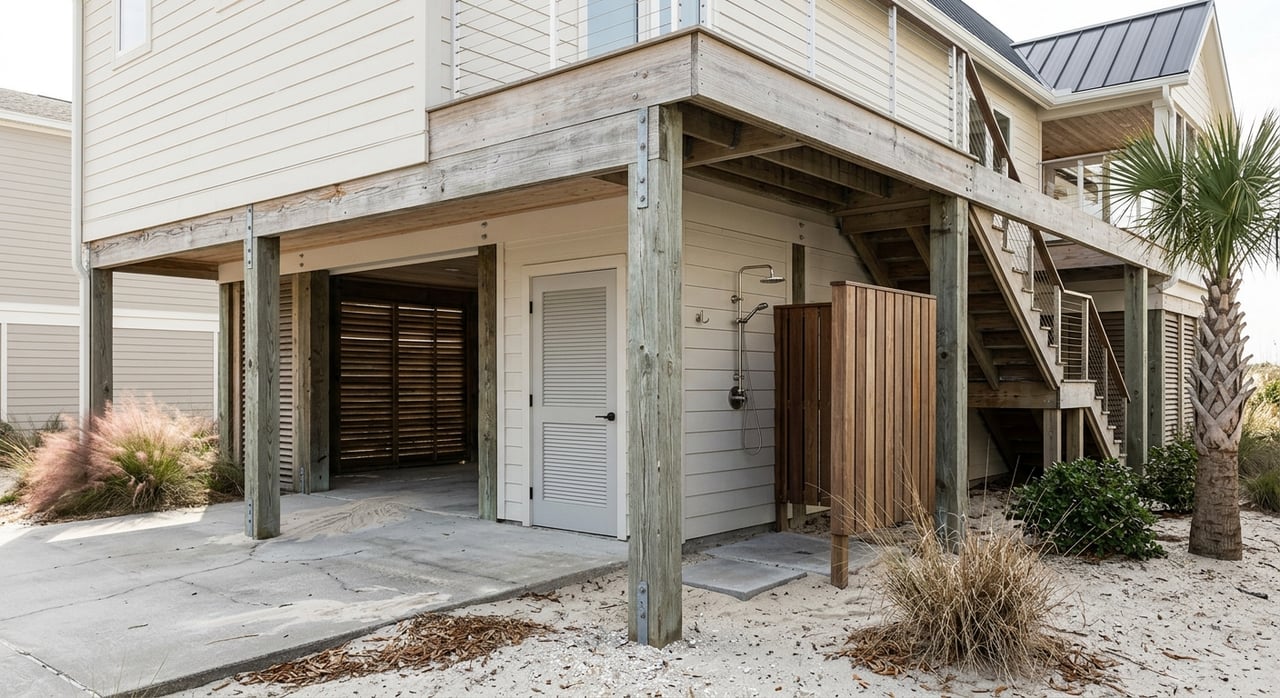

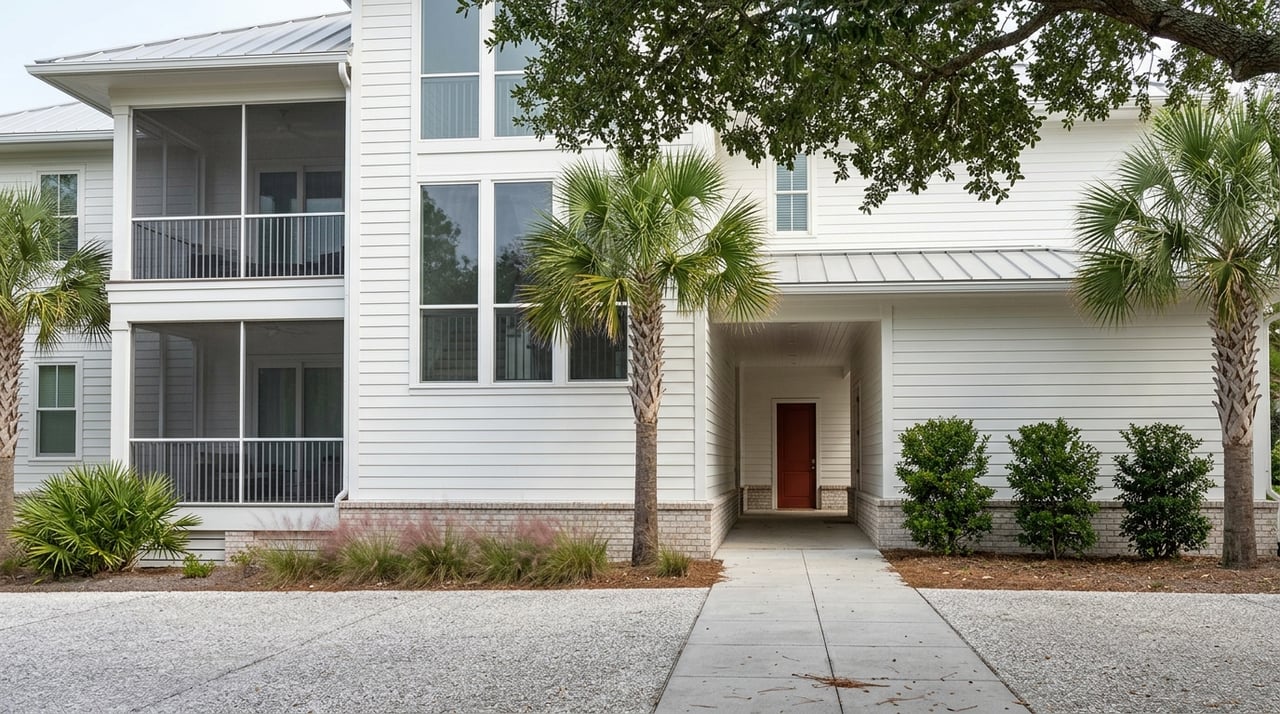
We pride ourselves in providing personalized solutions that bring our clients closer to their dream properties and enhance their long-term wealth. Contact us today to find out how we can be of assistance to you!