Dreaming of a brand‑new home near the Brunswick beaches but not sure where to start? You are not alone. With steady growth across the Supply and Bolivia area, there is a lot to consider, from choosing the right community to navigating coastal permits and builder contracts. In this guide, you will learn where new construction is happening, how to evaluate builders, what the process looks like, and the key coastal checks to do before you sign. Let’s dive in.
Where new builds cluster
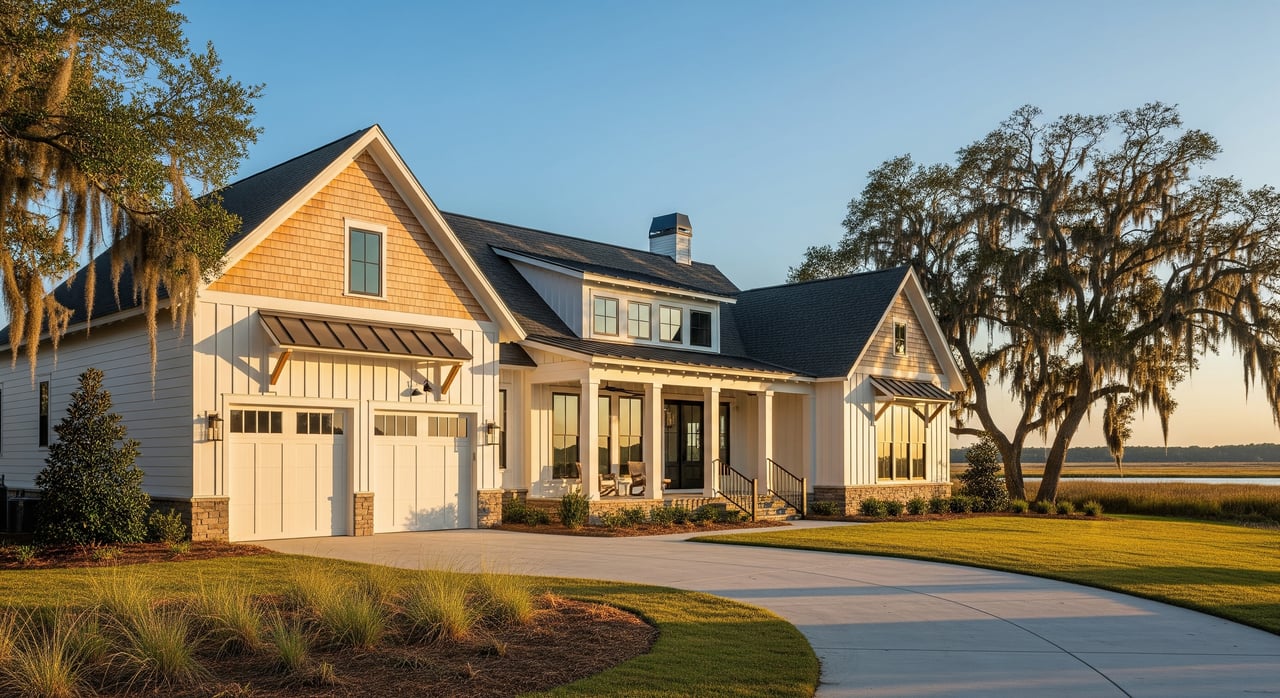
New construction around Supply and Bolivia tends to follow major routes like US‑17 and NC‑211. These corridors offer access to utilities, services, and an easy drive to Holden Beach, Ocean Isle Beach, Southport, and Shallotte. You will see a mix of production subdivisions, smaller neighborhoods, and custom homes on larger lots.
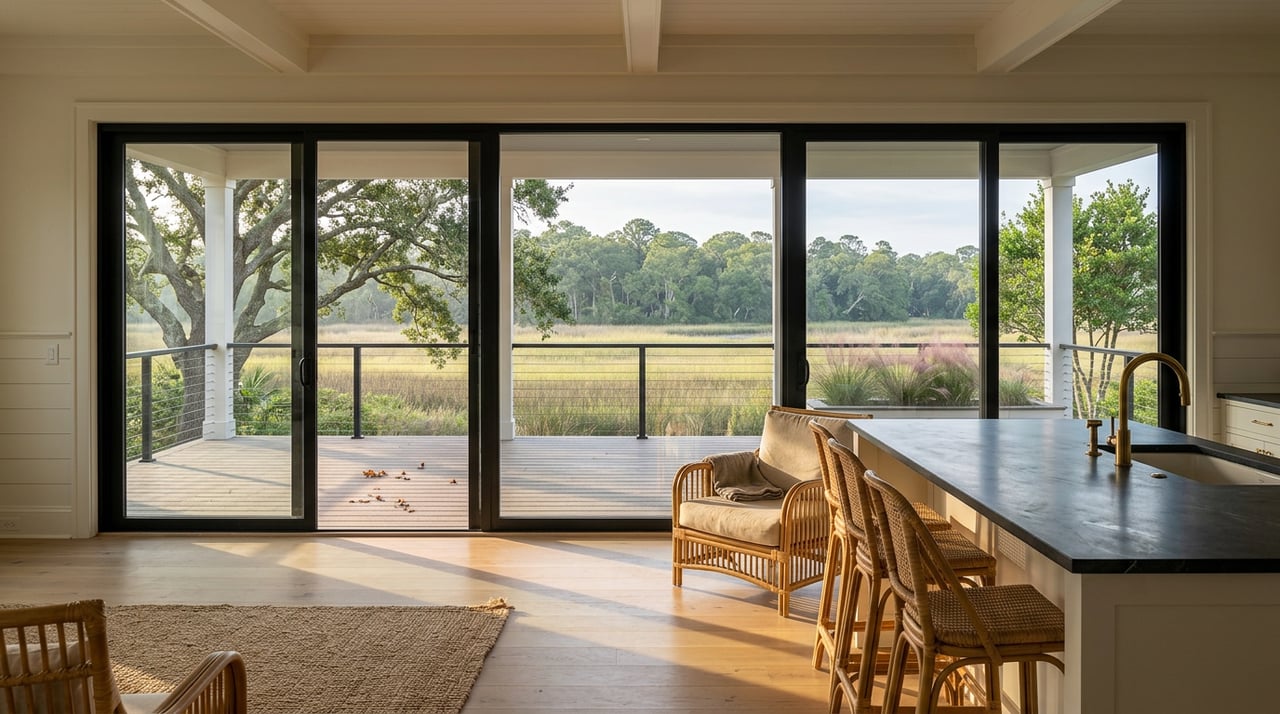
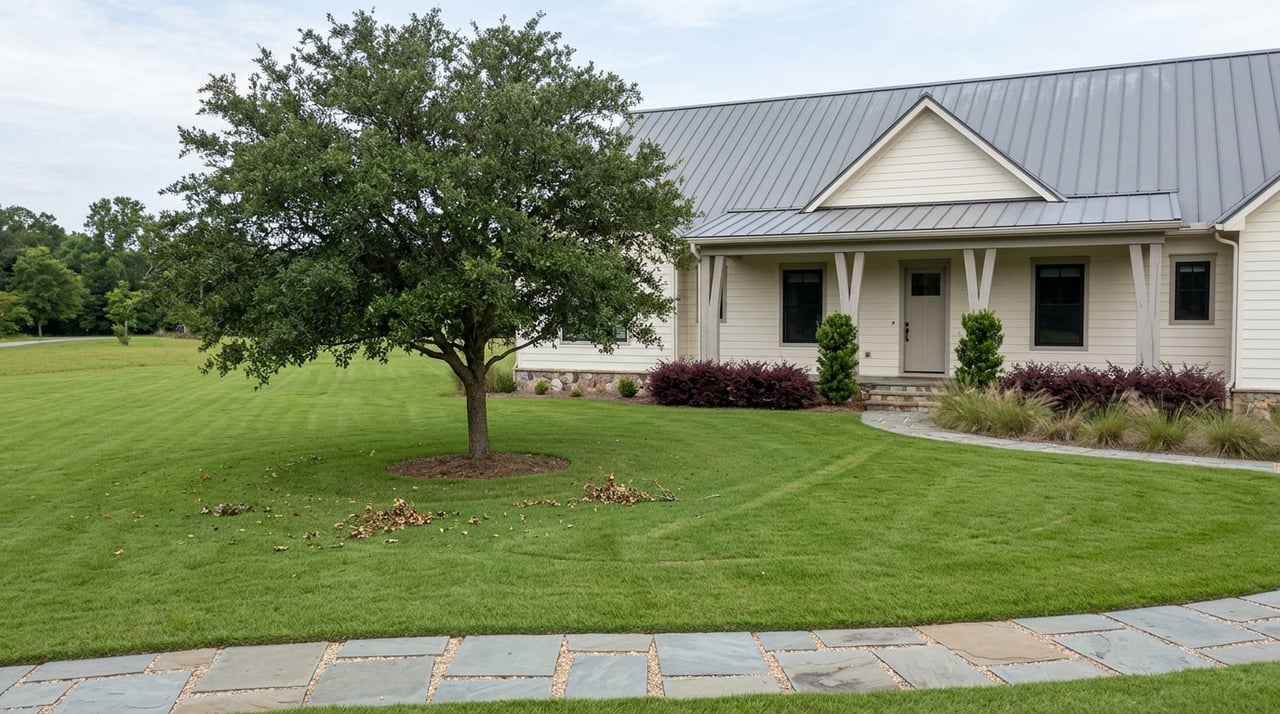
Closer to waterways and the coast, homes usually include elevation and wind‑resilient features. Inland, you are more likely to find conventional lots and septic in certain areas, or county water and sewer where available. Utility access and zoning shape what can be built, so lot‑by‑lot details matter.
If you want to spot active communities, start with your agent’s MLS search using new‑construction filters. You can also check county building permits, planning and subdivision approvals, and local builder directories to see who is building and where. These sources help you verify current activity and construction timelines.
Community types and lot features
You will typically encounter three broad options:
- Production neighborhoods with standardized plans and option packages.
- Regional subdivisions with a mix of semi‑custom choices and curated finishes.
- Custom builds on individual lots, including some larger parcels inland and higher‑value sites closer to waterways.
Lot selection plays a major role in price and design. Expect potential lot premiums for higher elevation, cul‑de‑sac placement, larger frontage, or proximity to amenities. In coastal areas, confirm flood zone, base flood elevation, and any elevation certificate requirements before finalizing a lot.
Builders you will meet
Builders in the Supply/Bolivia area fall into three groups:
- National production builders with higher volume and standardized options.
- Regional builders who operate across coastal North Carolina communities.
- Local and custom builders who tailor plans to your lot and vision.
National names such as D.R. Horton, Lennar, Pulte, and KB Home are active across many coastal NC markets. Always verify actual activity in a specific Brunswick County community using current permits and listings, since lineups change.
How to vet a builder
Do a structured review before you commit:
- Licensing and record check. Verify the contractor’s active license and classifications with the N.C. Licensing Board for General Contractors. Review county permit histories for any violations or stop‑work orders.
- Warranty and service. Ask for the written warranty, a sample purchase contract, and the post‑closing service process, including response times and how warranty claims are handled.
- Portfolio and references. Visit models and recently completed homes. Request recent buyer references. Review trade association memberships and objective ratings.
- Financial stability. Ask how the builder finances projects and whether the company is bondable. Consistent delivery matters for schedule and quality.
The new construction timeline
Timelines vary by builder, lot type, and permitting, but this is a common path:
- Lot selection and contract
- Choose your lot or a quick move‑in home and sign the builder agreement. Review deposit terms, change‑order rules, and remedy clauses.
- Financing setup
- For a spec or production home, you may use a standard mortgage. For a true custom build, consider a construction‑to‑permanent loan. Allow 30 to 90 days for approvals and any required builder or plan approvals by the lender.
- Permitting and site work
- Expect soils testing and septic permits where applicable. Site prep may include grading, utility connection, and erosion control. Timelines depend on complete submissions and county staffing.
- Construction phases and inspections
- Milestones include foundation, framing, rough‑ins, insulation, drywall, and finishes. Multiple municipal inspections occur along the way. A typical production build takes about 4 to 9 months, while custom homes often take longer.
- Final walkthrough and close
- Complete a blue‑tape walkthrough and punch list. After the certificate of occupancy, you will finalize closing and receive warranty information and keys.
Contracts, options, and costs
Builder contracts differ from resale agreements. Review these items closely:
- Options and upgrades. Know your deadline for selections and how change orders are priced. Some items are only feasible early in the build.
- Lot premiums and price differences. Elevation, views, and location within the community can change pricing.
- Warranties. Confirm coverage duration and inclusions for structure, systems, and workmanship.
- Closing costs and incentives. Builders may offer rate buydowns, closing credits, or upgrade packages depending on market conditions. Ask how REALTOR commissions are handled.
Coastal rules and risk checks
Brunswick County includes coastal and riverine floodplains. Before you finalize a lot or plan, verify:
- Flood zone and base flood elevation. Check FEMA designations such as AE, VE, or X, and ask about elevation certificates for insurance and lending.
- Hurricane‑resilient construction. Confirm wind‑borne debris zone requirements and common measures like roof tie‑downs, hurricane straps, and elevated foundations.
- Utilities and septic. Determine whether the community uses county water and sewer or individual well and septic. Septic permits should be confirmed early with the health department.
- Coastal permits and wetlands. Projects near estuaries or regulated wetlands may require state coastal permits and, in some cases, federal approvals.
- Fees and assessments. Ask about impact fees, utility tap fees, and any special assessments for streets or sidewalks.
These items affect safety, insurability, timelines, and long‑term costs, so build them into your planning from day one.
Budgeting for ownership costs
Newer homes often carry a premium over older resales, especially in desirable locations or amenity‑rich communities. Price stability depends on lot quality, build standards, and absorption. Model your long‑term costs, including:
- Homeowners insurance, plus flood and wind coverage where required or recommended.
- HOA dues, reserve funding, and any planned assessments for community infrastructure.
- Utility costs and maintenance for coastal features like elevated decks or storm‑rated windows.
Request insurance estimates upfront and review HOA budgets and covenants before you sign.
Buyer checklist for Supply/Bolivia
Use this quick list to stay on track:
- Confirm lot and building permit status with Brunswick County before contract signing.
- Verify the builder’s license and check for complaints or judgments.
- Obtain preliminary quotes for homeowners, flood, and wind insurance.
- Hire an independent inspector experienced with local coastal code requirements.
- Review community CCRs, HOA budget, and phasing or infrastructure plans.
- Ask for a sample contract, standard options list, and change‑order timelines.
- If using a REALTOR, confirm how commissions are handled and have your agent review contract terms.
How our team supports you
You deserve a guide who pairs neighborhood‑level insight with full‑service execution. Our team serves buyers across Oak Island, Southport, the Brunswick Beaches, and the inland corridors around Supply and Bolivia. We help you compare communities, verify permits and utilities, coordinate inspections, and keep your build on schedule.
If you are purchasing a second home or an investment property, we also advise on rental potential, property management options, and long‑term ownership costs. You get a clear plan, responsive communication, and a smoother path to closing.
Ready to explore new construction near Supply and Bolivia with a trusted local partner? Connect with Hank Troscianiec and Associates to map your options, vet your builder, and move forward with confidence.
FAQs
How long does a new build take near Supply and Bolivia?
- A typical production home takes about 4 to 9 months; custom homes often take longer due to design, permitting, and site‑specific conditions.
Do I need flood insurance for a new home in Brunswick County?
- If your property is in a FEMA Special Flood Hazard Area and you have a federally regulated mortgage, flood insurance is required; many buyers choose it outside those zones as added protection.
What should I ask a builder before I sign a contract?
- Request the written warranty, a sample purchase contract, recent buyer references, proof of license status, permit history, and details on financing and post‑closing service.
Can I negotiate the price of a new construction home?
- Negotiability varies: spec homes can be more flexible, while production builders often focus on incentives like rate buydowns, closing credits, or upgrade packages.
What inspections should I order on new construction?
- Hire a private inspector for key milestones such as pre‑pour foundation, framing and rough‑in, and a detailed final walkthrough and punch list review.
What utilities should I confirm before choosing a lot?
- Verify water and sewer availability, septic permit needs, electric service provider, and any tap or connection fees that could affect your budget.