What to Know Before Buying a Bald Head Island Second Home
July 2, 2026
July 2, 2026
Dreaming about a second home where golf carts replace traffic and ferry rides are part of the routine? Buying on Bald Head Island can be incredibly rewarding, but it also comes with a very different ownership experience than a typical mainland beach house. If you are considering a second home here, it helps to understand the island’s logistics, costs, rules, and rental considerations before you make an offer. Let’s dive in.
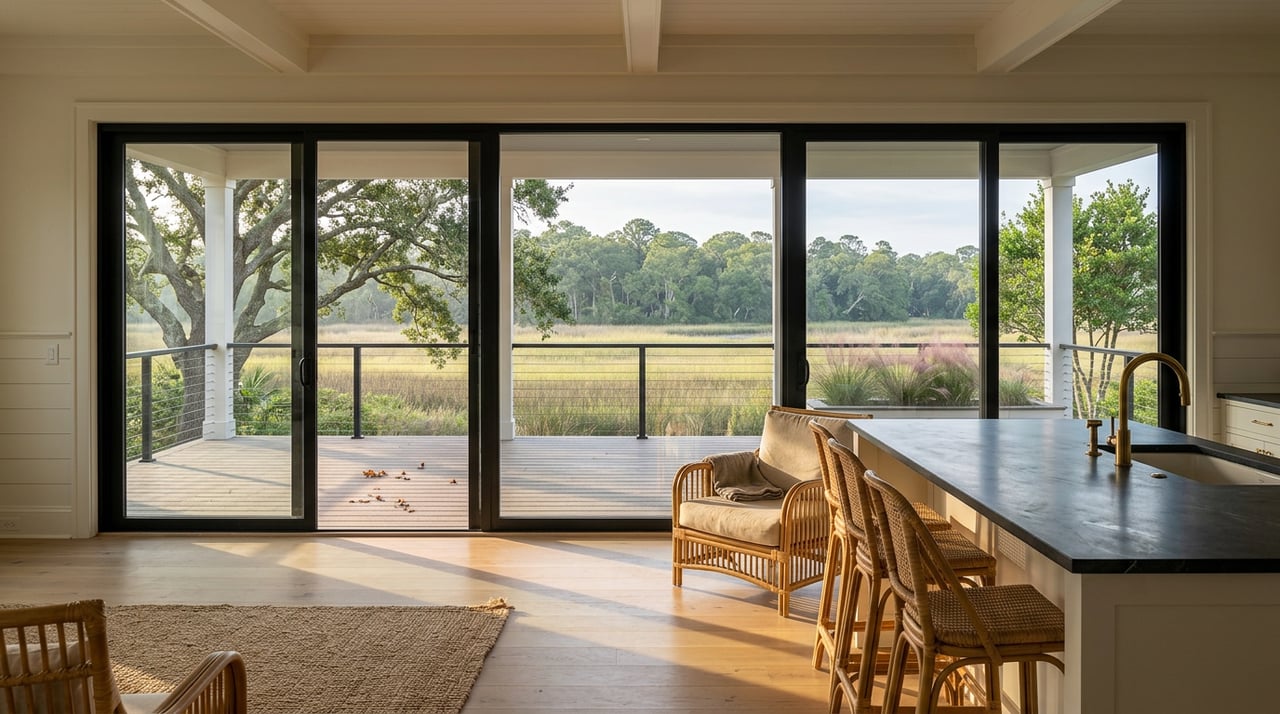
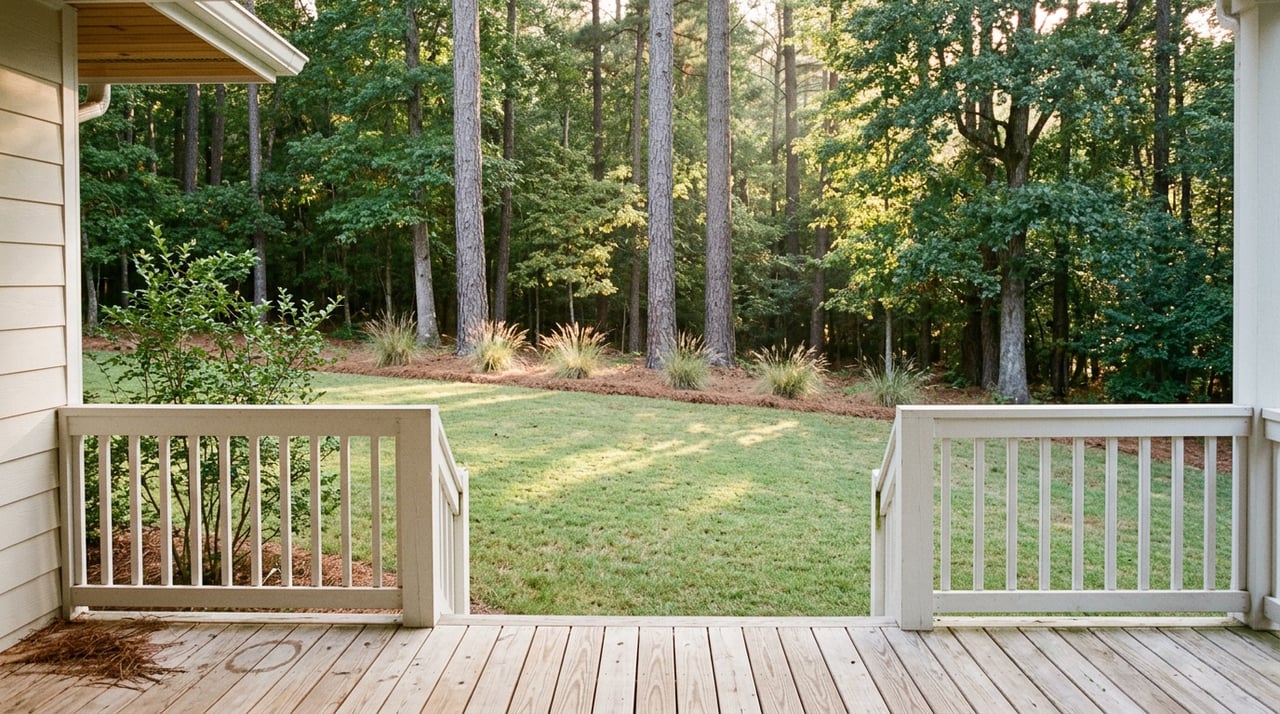
Bald Head Island is a barrier-island community where the Cape Fear River meets the Atlantic Ocean. The Village describes four ecosystems on the island: beachfront, dune ridge, maritime forest, and marsh. That natural setting is a big part of the appeal, but it also shapes how homes are built, used, and maintained.
Another major difference is transportation. There are no cars on the island except service vehicles, so daily life works differently here than it does in most coastal markets. When you buy a second home on Bald Head Island, you are not just choosing a property. You are choosing an island system with ferry travel, golf cart transportation, and layered local governance.
For many second-home buyers, the lifestyle starts before they even reach the front door. The mainland ferry terminal is at Deep Point Marina in Southport, and the passenger ferry ride is about 20 minutes. Tram service from the ferry terminal to your home is included with a general passenger ticket, and the ferry operator recommends making ferry and tram reservations at least three hours before travel.
If you plan to visit often, travel costs should be part of your budgeting from day one. Current published ferry pricing lists a general round-trip ticket at $23. Same-day island-ticket-window options include a no-frills round trip for $14 and a same-day one-way ticket for $11.50.
Parking on the mainland adds another ownership cost. The general lot at Deep Point is $13 per day. Property owners can also buy annual parking passes, with the published general annual pass at $1,225 and the premium annual pass at $1,500.
If your second home will be used for weekends, holidays, or extended seasonal stays, the ferry schedule becomes part of your routine. You will want to think about how often you expect to travel, how guests will arrive, and whether annual parking may make sense for your household.
Luggage rules also matter more than many buyers expect. Bags need contact tags, and oversized, overweight, or excess baggage can trigger additional fees. That can affect everything from holiday packing to how you coordinate owner stays with guests or service providers.
Once you are on Bald Head Island, golf carts and bicycles are common ways to get around. Many rental properties include the owner’s golf cart or carts, and golf cart rentals are also available near the ferry landing. That means a home’s cart setup is not just a lifestyle feature. It can also affect convenience for you and for guests.
The Village states that only licensed drivers may operate golf carts. The island-wide speed limit is 18 mph, and carts must be parked completely off the pavement at public beach access areas. Gas-powered golf carts are prohibited on Village streets, along with ATVs, gators, and side-by-sides.
Before you buy, it is smart to confirm details such as:
These details can make a real difference in how easy the home is to enjoy and manage.
Bald Head Island is not an unlimited-inventory market. A 2024 Bald Head Association Island Report described about 1,200 developed living units and roughly 675 lots yet to be developed. That helps explain why available homes can feel segmented by location, ownership type, and property characteristics.
For buyers, this often means you need to be clear about priorities early. A second home near the beach may offer a different ownership experience than one tucked into the maritime forest or overlooking the marsh. On an island with a finite supply of homes and lots, the right fit is often about balancing lifestyle, logistics, and long-term plans.
If you are thinking about renovations, additions, exterior updates, or future new construction, design review should be part of your due diligence. The Bald Head Association Architectural Review Committee is the main design-review body, and it handles applications for new construction, major and minor renovations, paint, roof changes, plant changes, and demolition.
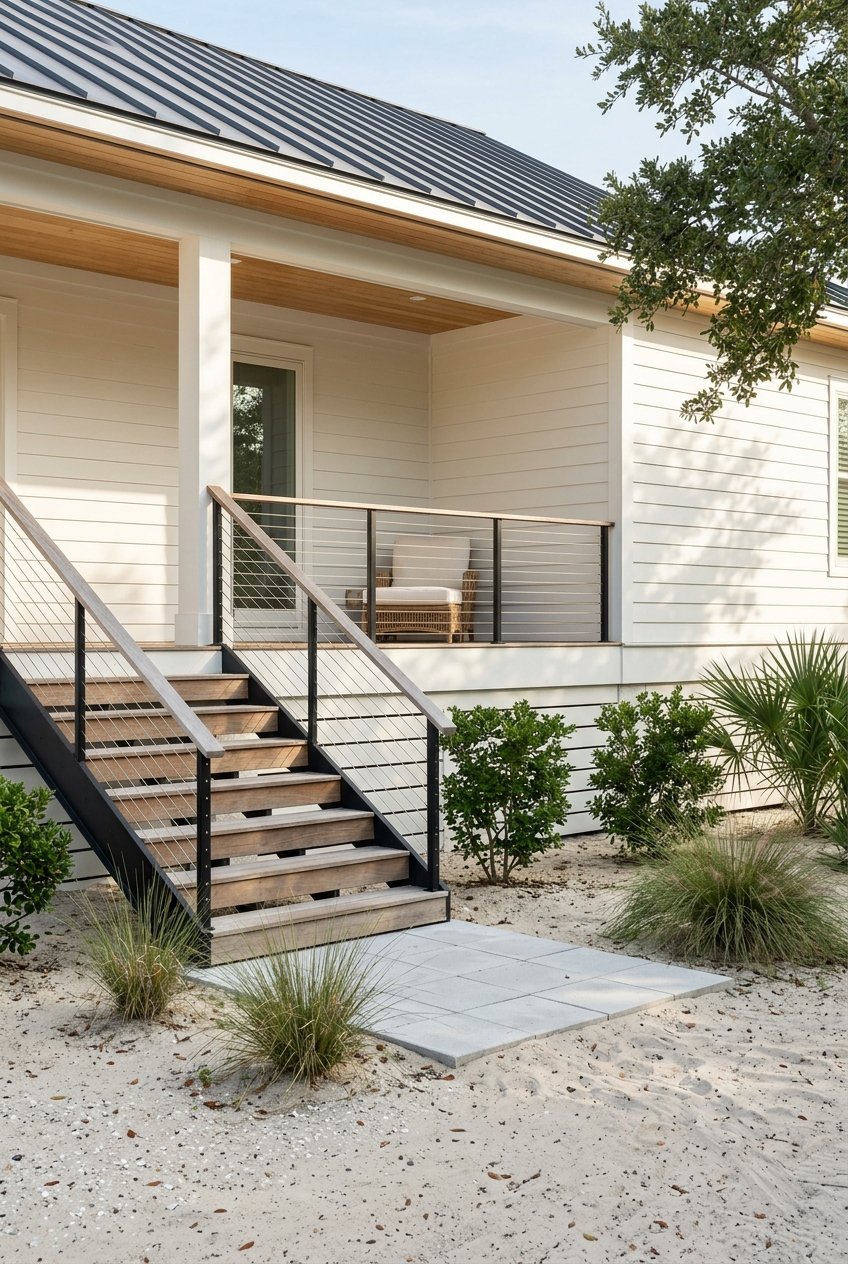
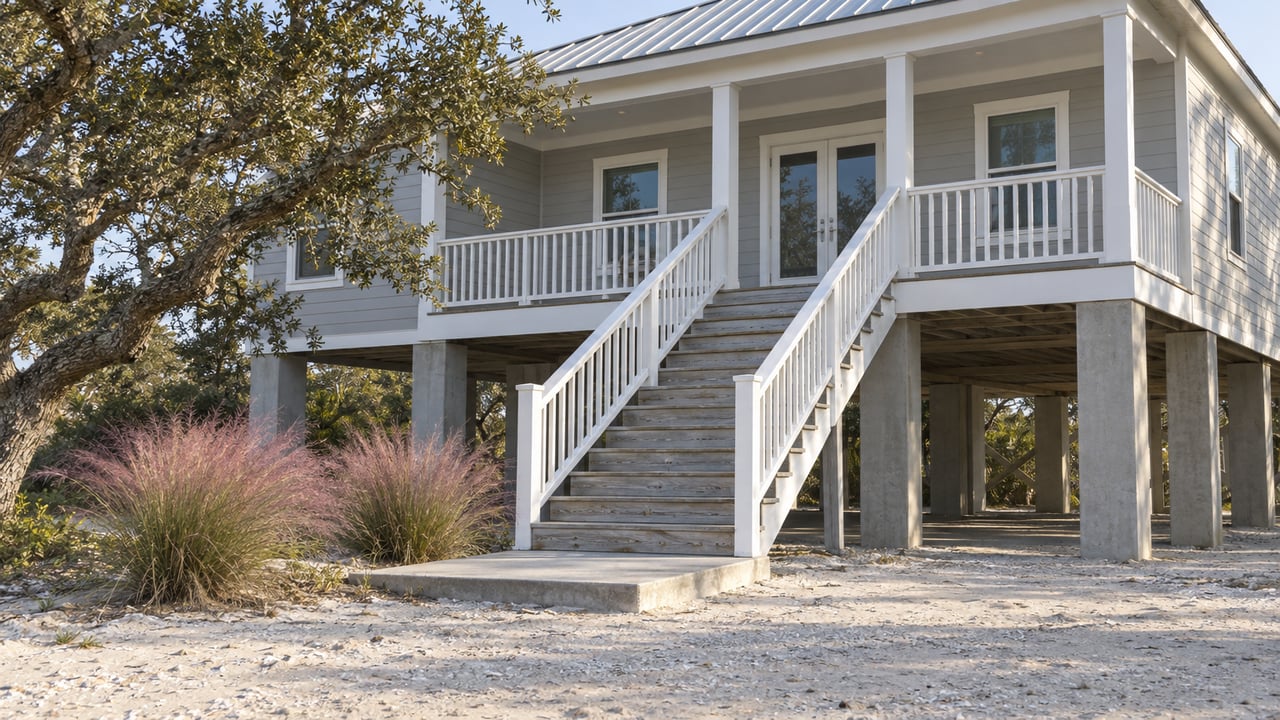
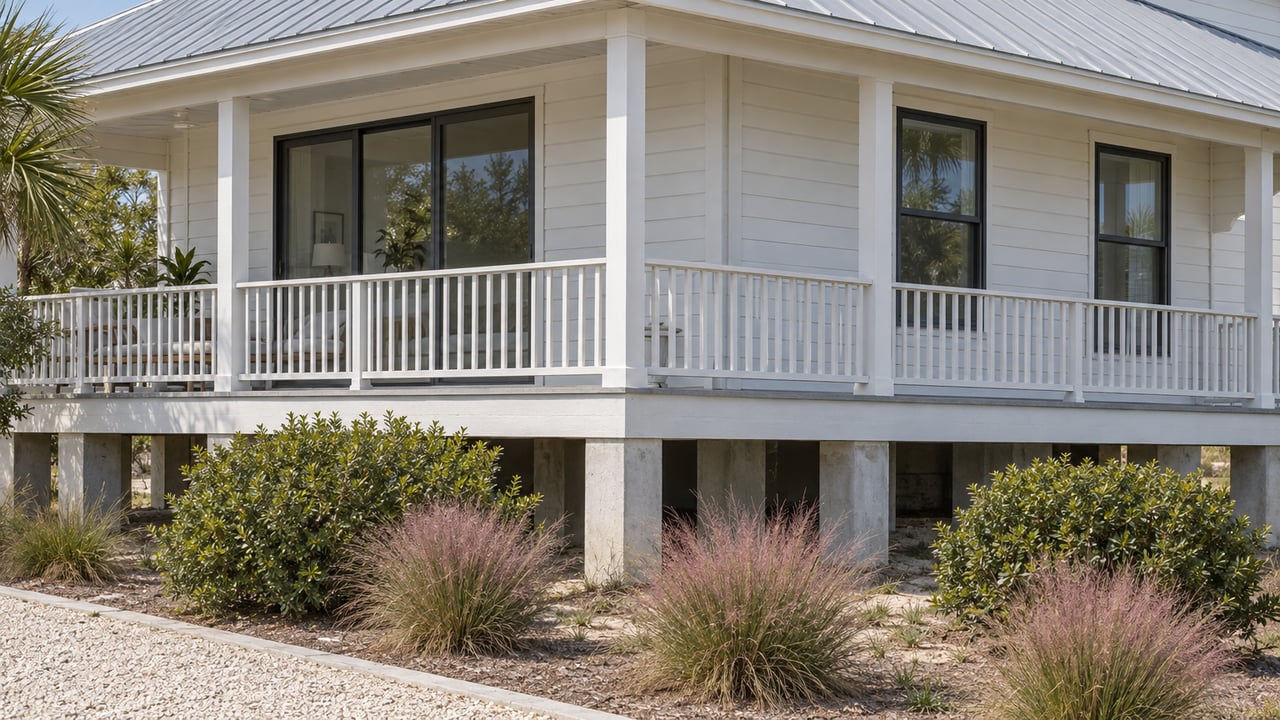
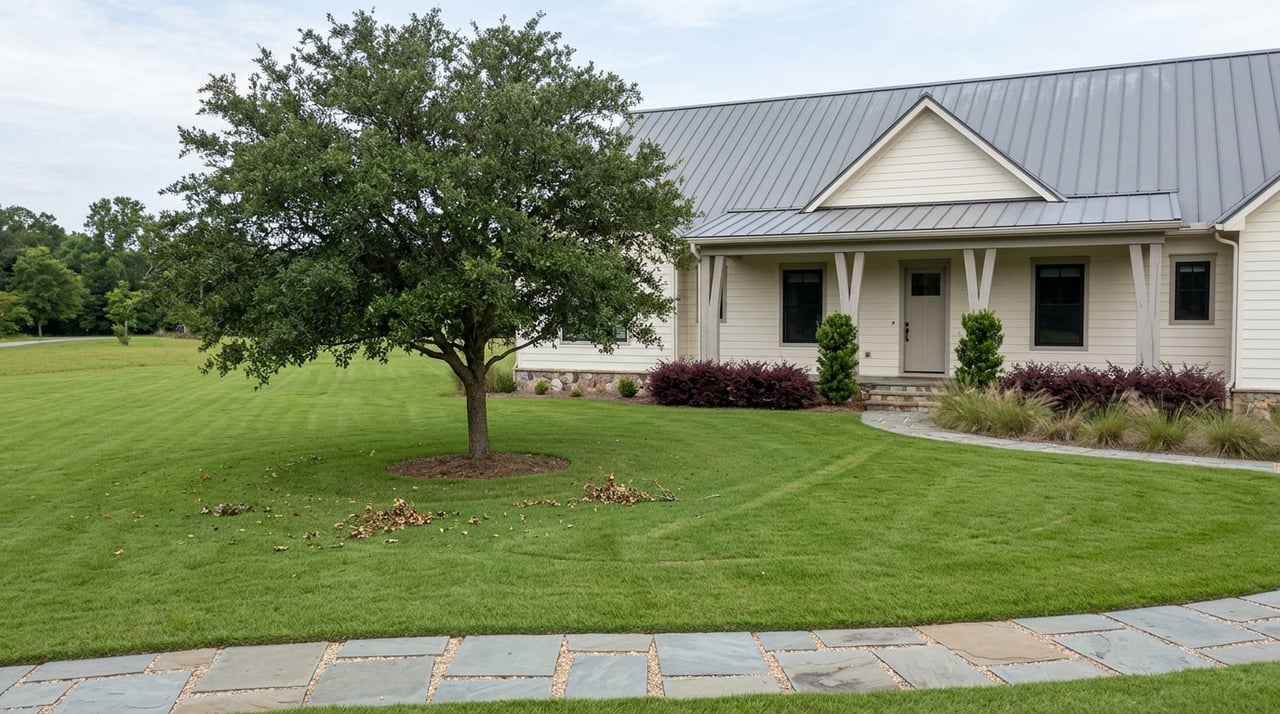
Bald Head Island’s design guidelines do not require one fixed architectural style. Still, they encourage a look rooted in coastal Carolina cottages, with influences from shingle-style and coastal cottage architecture. Common features include steep roofs, cedar shingles, dormers, large vertical windows, wrap-around porches, natural materials, and building massing that sits as low as possible to grade.
Even if you love a home as-is, future flexibility matters. If you may want to repaint, replace a roof, expand outdoor living space, or update landscaping, you should understand the approval process before closing. On Bald Head Island, those decisions often involve more review than buyers are used to on the mainland.
Second-home buyers should look at Bald Head Island ownership as a full cost stack, not just a mortgage or cash purchase. Association dues, taxes, transportation, insurance, and upkeep all deserve attention.
For 2026, Bald Head Association lists basic annual dues of $617 for improved property and $206 for unimproved property. Some neighborhoods also have supplemental dues, and there are additional master associations on the island. That means two homes with similar price points may still have different ongoing costs depending on where they are located and how the ownership structure is set up.
Property taxes are also layered. For fiscal year 2025-26, Brunswick County’s rate is 0.3420, the Village of Bald Head Island’s rate is 0.6507, and Smithville Township’s rate is 0.0400, for a combined base rate of 1.0327 per $100 of assessed value before any MSD zone levy that may apply.
You should also plan for transaction costs. Bald Head Association notes a $150 HOA transfer fee per sale, and Brunswick County records show North Carolina’s real-property excise tax at $1.00 per $500 of consideration.
Tax values do not stay fixed forever. Brunswick County says the current county-wide revaluation took effect on January 1, 2023, and the next revaluation is scheduled for January 1, 2027. If you are budgeting long term, that is an important date to keep on your radar.
Insurance is one of the most important areas to review carefully on Bald Head Island. One Bald Head Association guideline set states that homeowners insurance on Bald Head Island does not cover loss from wind, hail, or flood. Buyers should verify what coastal coverage is needed for the specific property they are considering.
That does not mean every home has the same exposure or policy structure. It does mean you should review insurance details early rather than treat them as a last-minute checklist item. For a second home, insurance costs and coverage gaps can affect both your comfort level and your long-term ownership budget.
If you want your second home to help offset costs, rental rules should be part of your buying decision. Bald Head Island defines a short-term rental as any occupancy rented for less than 90 days to the same person, with an exception for a property rented fewer than 15 days during the calendar year if it has not been listed with a rental agency.
The Village collects a 6% occupancy tax on the gross rental fee, including additional guest fees that are part of gross rent. Rental owners or their agents must file a monthly tax report with the Village by the 20th day of the month following the rental month. The Village also states that the same transactions are subject to North Carolina sales tax on accommodations, and owners remain responsible for reporting even when a booking facilitator collects and remits on their behalf.
If rental income is part of your plan, confirm practical details such as:
On Bald Head Island, rental appeal often depends on convenience as much as bedroom count. Travel flow, cart access, and ease of use can shape the guest experience.
Because ownership here involves multiple island entities, due diligence needs to be especially careful. Bald Head Association is the island’s largest property owners’ association. The Village handles municipal services such as permits, road maintenance, utilities, tax collection, and public safety. Bald Head Island Limited handles transportation and parking.
That layered structure is one reason Bald Head Island is not a standard beach purchase. Buyers should verify the exact parcel’s association structure, dues, design rules, permit history, rental setup, insurance needs, and move-in logistics before closing.
A strong public-records review should include:
This kind of research can help you understand not only what you are buying, but also how ownership will work in practice.
A second home on Bald Head Island can offer a unique coastal lifestyle, but it rewards buyers who plan ahead. The island’s ferry access, golf cart rules, design review, layered taxes, association dues, and rental reporting requirements all create a more detailed buying process than many mainland beach markets.
That is why working with a team that understands Brunswick County’s coastal markets can make the process feel much more manageable. If you are exploring a second home, investment property, or lifestyle purchase on Bald Head Island, Hank Troscianiec and Associates can help you evaluate the details, compare options, and move forward with confidence.

Neighborhood Events
We pride ourselves in providing personalized solutions that bring our clients closer to their dream properties and enhance their long-term wealth. Contact us today to find out how we can be of assistance to you!