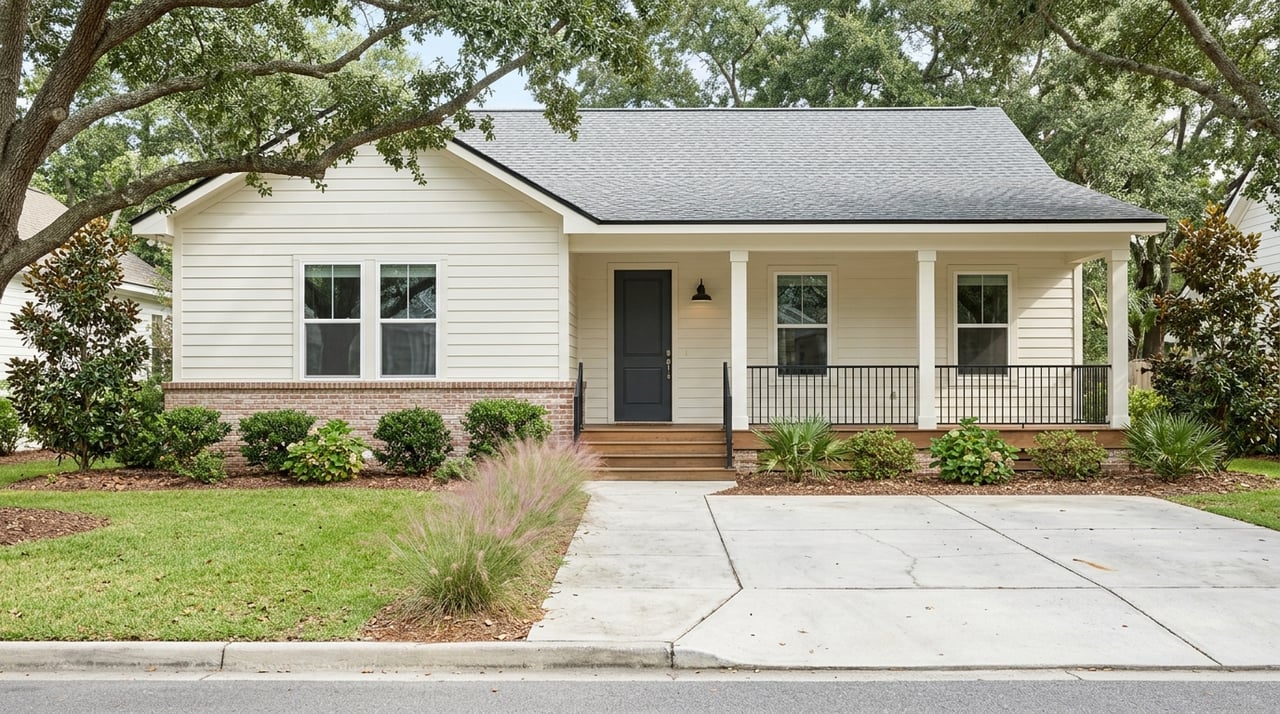
Master-Planned Vs. Established Neighborhoods In Leland
June 11, 2026
June 11, 2026
Wondering whether a master-planned community or an established neighborhood is the better fit in Leland? It is a smart question, because this town offers both a newer, amenity-driven lifestyle and older areas with a more varied, less uniform feel. If you are weighing convenience, monthly costs, upkeep, and day-to-day flexibility, this guide will help you compare the tradeoffs and narrow in on what fits your goals. Let’s dive in.
Leland has a distinct development story. The town’s planning history points to an original small-town core centered around Village Road and the railroad corridor, followed by later growth through larger planned developments.
That matters because the way a neighborhood was built often shapes how it feels today. In Leland, that can mean the difference between a community designed around internal amenities and pathways, versus an older area with more variation in homes, lot sizes, and overall character.
The good news is that you are not choosing between “everything” and “nothing.” Leland also maintains public parks and cultural spaces, including Founders Park, Westgate Nature Park, Cypress Cove Park, and the Leland Cultural Arts Center, with a broader goal of connecting neighborhoods through trails and paths.
In Leland, master-planned communities often appeal to buyers who want a more structured, amenity-rich lifestyle. These neighborhoods are typically built around shared features, organized design standards, and recurring association dues that help fund upkeep and common spaces.
For many buyers, the appeal is simple. You may get more predictability in how the community looks and operates, along with easier access to recreation and lower day-to-day exterior responsibilities, depending on the home type.
Brunswick Forest describes itself as a master-planned community on 4,500 wooded acres, with parks, nature trails, creeks, a connected town center, and a range of home styles. The community also highlights paths and trails that link neighborhoods to its Fitness & Wellness Center, which reinforces how daily life is organized around its internal amenity network.
This can be especially attractive if you want walkability within the neighborhood and a built-in lifestyle package. It also offers different home options, including single-family homes and townhomes, which can broaden the range of maintenance expectations and price points.
In some townhome offerings, exterior maintenance is included through association dues. That creates a common master-planned tradeoff in Leland: less exterior upkeep and more shared services, balanced against recurring HOA costs and community rules.
Compass Pointe presents a different version of the same general idea. It is marketed as a gated, resort-style community with a lazy river, outdoor pool, wellness center, golf club, dog park, and walking and biking trails.
Its housing options include patio homes and villas, with some villa dues covering lawn care, insurance, and irrigation. For buyers who want a more turnkey routine, that kind of setup can be a strong draw.
If you live out of the area part-time, plan to downsize, or simply want fewer exterior tasks on your list, this type of neighborhood may feel more manageable. The tradeoff is that you are paying into a shared system and agreeing to a community structure that can affect exterior changes and long-term costs.
Magnolia Greens is another established golf-community option in Leland. The Magnolia Greens Golf Club is located within the residential community, which gives buyers another example of an amenity-centered neighborhood environment.
For some buyers, a golf-oriented setting is part of the appeal. For others, the bigger point is that communities like this often offer a more defined lifestyle than neighborhoods that developed outside a large master plan.
Established neighborhoods in Leland tend to reflect the town’s earlier growth patterns and redevelopment areas around places like Village Road and Old Fayetteville Road. In practical terms, that may mean older homes, more variation in architecture, and less of a one-size-fits-all appearance.
That variety can be a plus if you value individuality. You may find mature landscaping, a wider mix of lot sizes, and a neighborhood feel that developed over time rather than all at once.
It is also common for buyers to associate older neighborhoods with more freedom. If a neighborhood does not have an HOA, you may have fewer recurring association fees and more control over how you use and maintain your property.
That said, more freedom usually means more responsibility. Without an HOA handling shared maintenance or community standards, you will likely manage your own lawn care, exterior upkeep, and long-term repair planning.
A non-HOA or less structured neighborhood can appeal to buyers who do not want rules tied to paint colors, additions, fencing, parking, or other exterior choices. But that does not mean there are no standards at all.
Leland still enforces baseline property conditions through code enforcement. The town addresses issues such as junked vehicles, yard debris, deteriorated housing, and grass taller than 12 inches.
So while established neighborhoods may feel less restrictive, they are not without guardrails. The real difference is usually whether standards are handled primarily through a private association or through owner responsibility and local code rules.
One of the biggest differences between master-planned and established neighborhoods is how maintenance gets paid for. In a master-planned community, some of your monthly carrying costs may be bundled into HOA dues that help cover common amenities, shared spaces, and in some cases exterior maintenance.
In an established neighborhood, those costs usually do not disappear. They just show up differently, often as direct out-of-pocket spending for lawn care, repairs, pressure washing, painting, roofing, or other long-term needs.
That is why comparing only the listing price can be misleading. A home with lower monthly fees may still require more hands-on time and more surprise expenses over the years.
HOA coverage varies widely by community and even by home type within the same development. Some neighborhoods include access to pools, trails, fitness spaces, or golf-related amenities, while others may also cover exterior elements such as lawn care or certain insurance obligations.
Associations can also impose rules and may require owners to contribute to repairs or construction of common facilities, even if a particular owner does not use those facilities often. That is why you should always review what the dues actually cover, how they can change, and whether any special assessments may be ahead.
It is tempting to assume one neighborhood type always has better resale potential than the other, but that is too simple. In Leland, master-planned communities can be easier for some buyers to understand quickly because the amenity package is visible and easy to describe.
Established neighborhoods can stand out for different reasons. Mature landscaping, distinctive homes, and the absence of HOA dues can all be attractive, depending on what the next buyer values.
In either case, resale usually comes back to fundamentals. Condition, location, flood exposure, and the financial health and structure of any HOA often matter more than whether a neighborhood is labeled master-planned or established.
No matter which neighborhood style you prefer, flood risk should be part of your evaluation in Leland. Brunswick County identifies multiple flood zones, and some properties may be subject to mandatory flood insurance requirements and floodplain management standards.
The Town of Leland also requires floodplain development permits for work inside special flood hazard areas. That means a home’s flood-zone status can affect not only insurance costs, but also future improvements or renovations.
This is especially important when comparing homes in lower-lying areas or places with older drainage patterns. Before you move forward, confirm the property’s flood zone and ask whether your lender will require flood insurance.
When you compare master-planned and established neighborhoods in Leland, a few practical questions can quickly bring the differences into focus:
These questions help you move past surface-level impressions. A neighborhood may look perfect at first glance, but the real fit often comes down to how much structure, cost sharing, and maintenance responsibility you want in everyday life.
If you want amenities, predictable neighborhood standards, and the possibility of less exterior upkeep, a master-planned community may suit you well. That can be especially helpful if you are relocating, downsizing, or looking for a more turnkey setup.
If you care more about flexibility, individuality, and potentially fewer recurring association costs, an established neighborhood may be the better path. You may trade packaged amenities for more control and a less uniform environment.
In Leland, the choice is often less about new versus old and more about managed lifestyle versus personal control. The best answer depends on how you want to live, what you want to maintain yourself, and how you want your monthly housing costs to be structured.
If you want help comparing Leland neighborhoods with your budget, maintenance preferences, or relocation plans in mind, Hank Troscianiec and Associates can help you sort through the details and find the right fit.


Neighborhood Events
We pride ourselves in providing personalized solutions that bring our clients closer to their dream properties and enhance their long-term wealth. Contact us today to find out how we can be of assistance to you!